
I was late to dinner with friends in a foreign country, breathlessly running through cobblestone streets while my phone’s GPS spun in circles. It was important to me that I be on time, and I thought I had taken all the necessary precautions. I left early, studied the route, and had it on GPS as backup. But by the time I arrived, my friends were already halfway through their appetizers and expressed both concern and irritation.
When I thought about it afterwards, what struck me wasn’t their frustration (which I thought was unfair since I had good intentions), it was how differently we experienced the same moment. In my mind, I was the person who had tried hard to arrive on time but ran into unexpected problems. In their minds, I was simply the person who was late.
It reminded me of a phrase I recently heard, “We judge ourselves by our intentions, and we judge others by their actions”.
Think about it. When we fall short, we rush to explain our intentions: “I meant to follow up,” “I was trying to help,” “My heart was in the right place.” We give ourselves credit for the unseen effort behind the outcome. But when others stumble, we rarely extend the same grace. The colleague who misses a deadline feels “unreliable.” The friend who forgets to call back “doesn’t care.” The boss who snaps is “difficult.” We don’t pause to consider what they meant to do; we see the action, and we judge. It’s interesting, neither side is wrong. Intent matters, but so do action and impacts. My effort to be on time was real, but so was my friends’ frustration at waiting. My why didn’t erase their what.
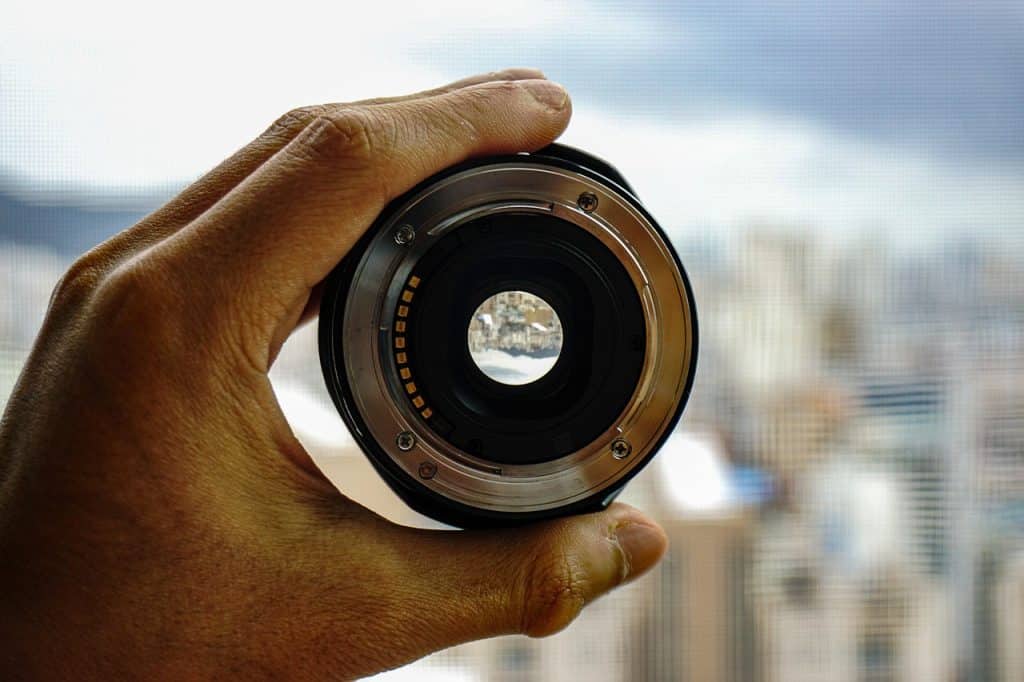
So how do we shift our thinking? By practicing what I call flipping the lens. For ourselves, it means holding our actions to the same standard we hold others to, taking ownership of the outcome, not just the intent (no matter how well placed). For others, it means pausing to ask what someone might have intended before rushing to judgment. Like most things in life, it’s a balance.
Since that evening, I’ve noticed the bias more clearly. When someone cancels plans, I remind myself of all the times I’ve had to cancel for reasons that felt urgent and valid (unless of course they are habitual about it!) 😊 When I mess up at work, I try not to lean only on my good intentions as a shield; instead, I try to lean into the impact and focus on addressing it.
It’s a small shift, but it changes everything. It helps to build empathy and tolerance, relationships feel less brittle, and work feels more collaborative. Even the relationship we have with ourselves grows stronger when we balance grace with accountability.
The lens we choose shapes everything we see; maybe it’s time to adjust the focus.
“We are all inclined to judge ourselves by our ideals; others, by their acts.” – Harold Nicolson
Have a great weekend.
-Vijay