
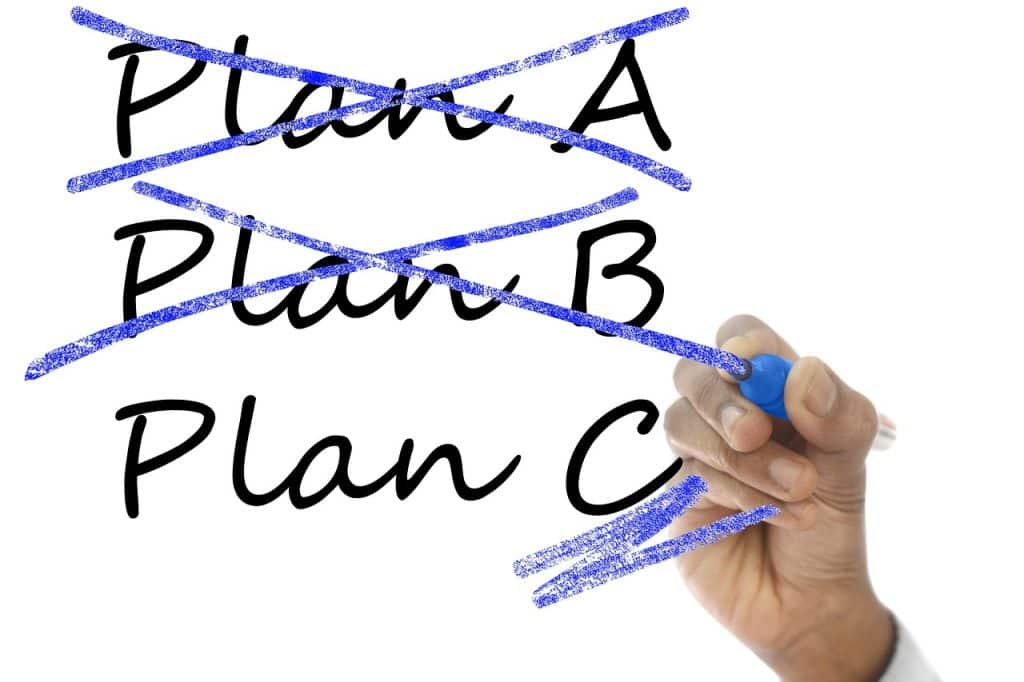
At a conference last week, a speaker said something that stopped me mid-notetaking. He said, “The problem isn’t the problem. The problem is how you think about the problem.” I could feel the room pause. It was one of those lines that lands softly but lingers deeply, the kind that keeps echoing long after the talk ends. So much so that I thought about it during my long drive home. How many times had I been stuck on a business challenge or personal frustration, convinced that the situation itself was the issue? Only to realize later that it wasn’t the situation that had me spinning my wheels; it was my perspective on it.
Years ago, I was managing a critical project for a client that I just could not make progress. We were stalled, although I exhausted every solution, every conversation, every angle I could think of. The frustration built until I realized I wasn’t working on solving the problem anymore. Instead, I was trying to force my original vision through, refusing to accept that the scope had changed. Once I stopped fighting reality and asked what the project needed now, the tension eased, and the path forward became obvious.
I think we all have this tendency to look at and label challenges immediately and through our own lens. The problem with doing this is that the labels trap us in a narrow frame of thinking and impede our ability. We unintentionally put ourselves into a box that is hard to break out of. But if we shifted from immediate judgment and classification to curiosity, reframing “Why is this happening to me?” to “What might this be showing me?”, everything changes. Possibilities open and with them, solutions. A delay isn’t a disaster; it’s time to prepare for something better, and a setback isn’t failure; it’s an opportunity for redirection. And sometimes, the hardest problems are simply mirrors reflecting how attached we are to things going a certain way.
I’m not suggesting that real problems disappear if you just think differently about them. Financial pressures and health challenges are real, and certainly, difficult people don’t become easy because you reframe them (although, wouldn’t that be nice!). But even with genuine hardships, our response still determines whether we stay trapped or find a way forward. It also determines how much time, energy, and agonizing it takes to get there.
We can’t control everything that happens to us. But we can control the lens we use to interpret it. And that small shift in thinking often changes everything that follows.
So next time you hit a wall, pause, and ask yourself: Is this really the problem… or is the problem how I’m thinking about it?
“Change the way you look at things and the things you look at change.” – Wayne Dyer
What’s one challenge you’re facing right now that might look different if you shifted how you thought about it? Share your story with me, or pass this along to someone who might need that perspective today.
Have a good weekend.
-Vijay