
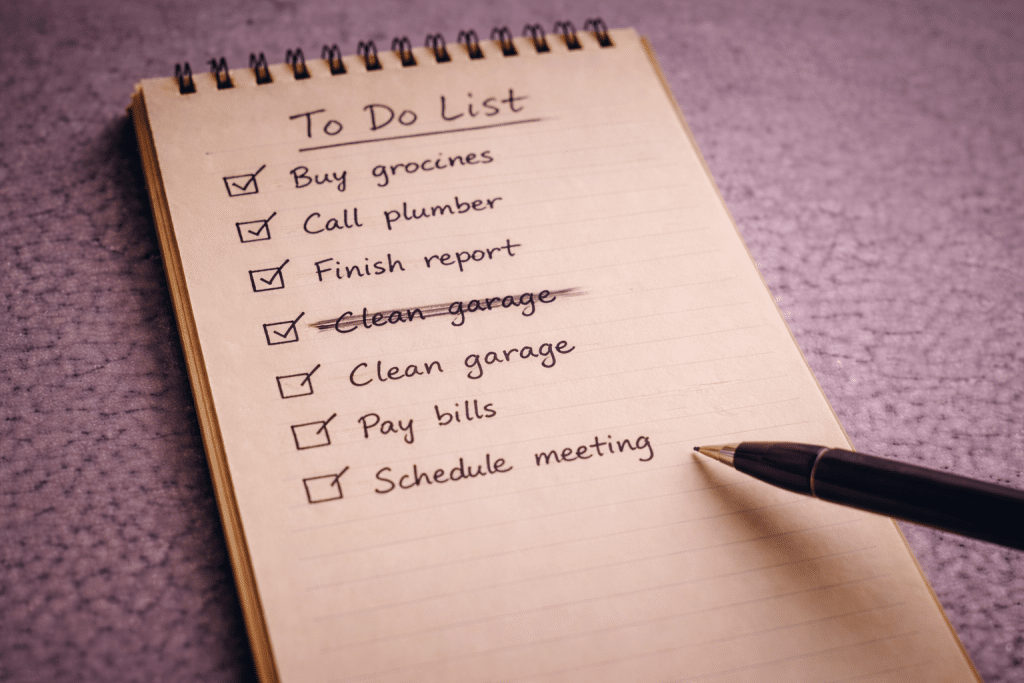
“Should” is a small word with a lot of gravity.
I should call them back. I should’ve handled that better. They should know better by now. What should I do next?
We say these things all the time, often without thinking. And on the surface, “should” sounds responsible, even mature. It suggests we have standards, that we care about doing right by people, that we’re holding ourselves accountable. There are moments when “should” reflects something real: the kind of person we want to be, the commitments we’ve made, the values we don’t want to lose sight of. If I say relationships matter to me, then yes, I probably should show up when it counts, listen more than I speak, and follow through when I’ve given my word. That version of “should” is honest. It’s grounded. It helps.
But there’s another version, one that doesn’t help at all. It’s the version that causes us to stop seeing what actually is and to start measuring it against what we think ought to be. And once we’re there, judgment follows close behind; I should be further along by now; They should have handled that differently; This shouldn’t be this hard.
Each of those statements carries a quiet assumption: that there’s a correct timeline, a right reaction, a better version of how things were supposed to unfold. When reality doesn’t match that invisible script, frustration moves in. Disappointment, embarrassment, and sometimes even shame.
Over time, those expectations start to shape us. We begin to believe we’re only acceptable when we get it right, on time, without missteps, without needing too much grace. That’s perfectionism, and it’s exhausting.
And it doesn’t stay contained. We carry it into our relationships. We hold people to standards they never agreed to. We judge their choices without seeing their effort, their context, or what they might be carrying that we can’t see. “Should” makes it easy to forget that most people, including us, are doing the best they can with what they know in that moment.
Here’s what I’m learning: the work isn’t to eliminate “should.” It’s to become aware of it, pause when it shows up, and ask a better question: Is this coming from my values, or from my need for things to be neater, faster, or more perfect than life allows?
There’s a real difference between saying, “This matters to me,” and saying, “This should have been different.” One creates clarity and choice; the other, pressure and regret.
Maybe the goal isn’t to live without standards. Maybe it’s to hold them with more humanity, for us, and for everyone else who’s trying to figure it out as they go.
“There is no perfection, only life.” – Milan Kundera
So, here’s the question worth pondering:
When does “should” help guide you toward what matters, and where might it be quietly weighing you down? If you notice your own “shoulds” this week, I’m always open to the conversation.
You should have a good weekend. 
-Vijay